


What has Slowed the Decline of Fluid Milk Sales?

What has Slowed the Decline of Fluid Milk Sales?

Fluid milk sales declined in the U.S. starting in 2020 and continued to decline through 2023.  The decline during this period slowed and in 2024 the sales rate increased.  Chart I below covers the last six years of U.S. sales of fluid milk.   In 2020 sales of fluid milk hit a high of 3888 million pounds per month.  At the beginning of 2024 fluid milk sales were 3552 million pounds per month, a decrease of 9% from the 2020 high.  The rest of 2024 however increased by 1% which is a significant change from declining sales.  In 2025 there is a decrease in sales of 1%.

This post will cover the details behind the changes in sales.
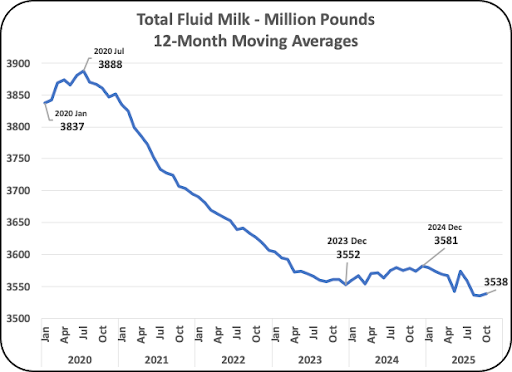
Chart I – Total Sales of U.S. Fluid milk

The U.S. Department of Agriculture tracks the sales of fluid milk monthly.  The sales are broken down into eight categories shown in Table I below.   They are listed in order by their latest monthly volume.  The top four all have negative trends over the six years covered.  One category, “Other”, stands out with a huge increase.  What is “Other”?

“Other” is really the “Lactose Free” category.  That category has grown from 37 million pounds to 211 million pounds based on 12-Month moving averages.  This is a 476% growth.
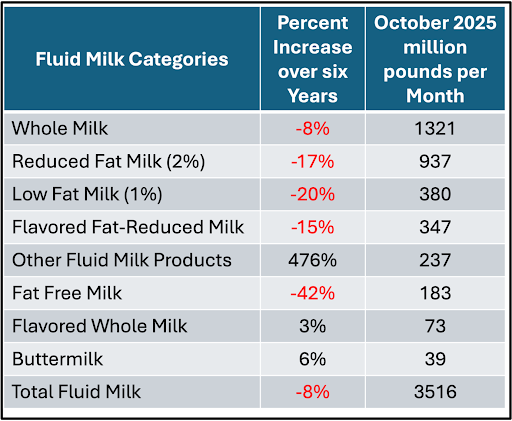
Table I – Growth Rate and Size of the Fluid Milk Categories

Chart II shows the decline in fluid Milk sales without the “Other” category.  Without the volume from the “Other” category, there is a steady and consistent decline.  

Is the “Other” category cannibalizing some of the remaining categories?  Over six years the decline in milk sales without the “Other” category shows a steady but slowing decline over six years.  It does not show an accelerating rate of decline. That indicates that the cannibalizing is minimal.
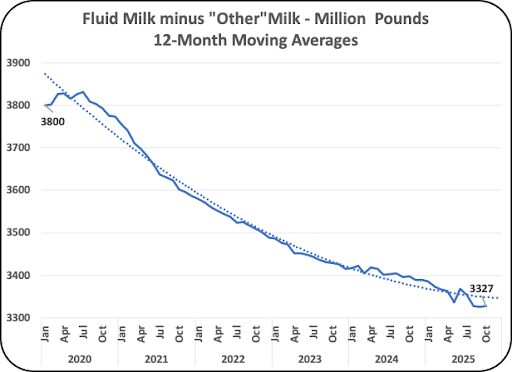
Chart II – Fluid Milk sales if the “Other” Category is Excluded.

Chart III shows the steady sales growth of the “Other” Category which increased by 476% over the same six years.  At this rate, the “Other” volume could be the third largest category with only whole milk and 2% milk being larger.

Specific data is not available, but the “Other” growth appears to come primarily from “Fairlife” milk.  Fairlife milk is owned by the Coca-Cola company which increased its ownership to 100% in 2020.  Charts in this post start with the year 2020.

Fairlife milk is a unique milk.

  • 100% of Fairfield milk is Lactose free because Lactase is added to break down the Lactose.
  • Fairlife milk is processed by Ultrafiltration. – Ultrafiltration is a process of forcing the milk under pressure through porous membranes with tiny holes to separate water from protein, fat, some lactose, and removes impurities.
  • It is pasteurized by Ultra High Temperatures and therefore can last up to 9 months in the unopened container.
  • It has twice the protein of other milks 
  • It has half the sugar of other milks
  • It is more expensive. – Fairlife milk is more than twice the price of regular milk.

While Fairlife milk is significantly more expensive than regular milk, it has become very popular and appears to be increasing in volume at a steady pace that will continue to grow (Chart III).
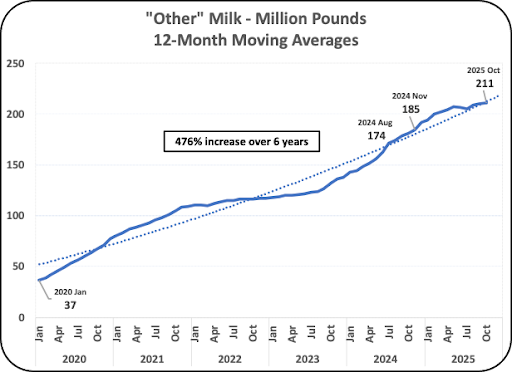
Chart III – Sales of “Other” Milk

During the six years covered in this post, the “Other” category has grown from just 1% of all milk sold to 6% of all milk sold (Chart IV).  
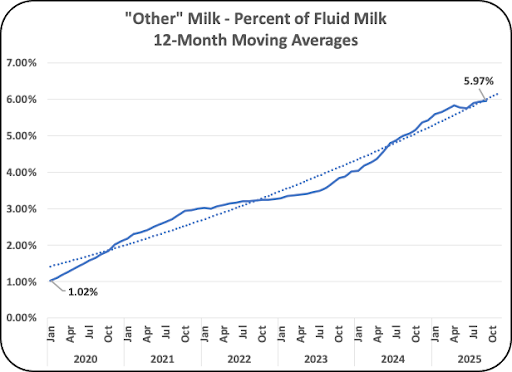
Chart IV – Percent of “Other” Milk Sales in Fluid Milk Sales

Another measurement of the growth is the annual increase in volume.  Chart V plots the 12-month moving average of volume increases.  In the initial years, the annual growth rate was huge, exceeding 100%.  The current annual growth rate of “Other” milk is 16.6% which is an excellent growth rate for a developed market (Chart V).
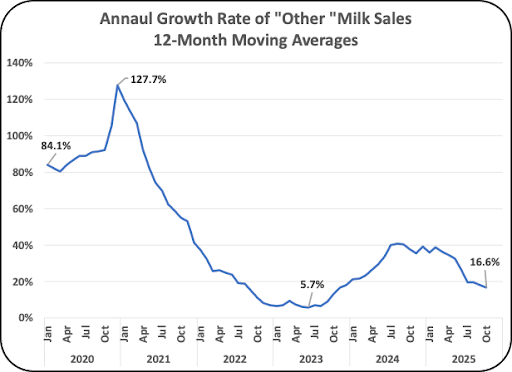
Chart V – Annual Growth Rate of “Other” Milk Sales

SUMMING IT UP

Fluid milk sales are making a significant change.  Organic milk sales have declined in 2025 and will likely be surpassed by the growing “Other” category in 2026.  Organic milk is priced higher than conventional milk and may be losing some volume to the “Other” category of milk.  There are negligible sales  in the “Other” category in Organic milk.

There will always be significant milk sales in the lower priced milk, but the growth of “Other” milk manufactured primarily by one company is changing the Fluid milk market.

THE FUTURE

Fairlife Milk is currently sold in Canada as well as the U.S.  With the International Coca Cola Company ownership this may expand to more countries.  The “Other” Fluid milk growing at 16.6% and domestic butter growing at 6.1%, (see this prior post) the protein from Class IV can supply protein for the Fairlife milk.  Ultrafiltration should gain in volume with new Fairlife plants in Webster, NY and Goodyear, Arizona in the U.S. and Peterborough, Ontario for the Canadian market.

The growth of both butter and “Other” fluid milk will increase the need to deliver components for processing, not just milk.  As “Other” milk grows with Fairlife double protein, the demand for protein may increase the value of milk protein.  Should the category name be changed from “Other” to a new category “Lactose free” and use the name “Other” for just other minor things?

Other recent posts are available at this link, and older posts are available at this link.

Subscribe via email

This field is for validation purposes and should be left unchanged.

Get new posts by email:

Cheese

Dry Whey

Cash prices - Butter / Cheese

FMMO Price Announcements

Resources

Blog Archive

Fluid milk sales declined in the U.S. starting in 2020 and continued to decline through 2023.  The decline during this period slowed and in 2024 the sales rate increased.  Chart I below covers the last six years of U.S. sales of fluid milk.   In 2020 sales of fluid milk hit a high of 3888 million pounds per month.  At the beginning of 2024 fluid milk sales were 3552 million pounds per month, a decrease of 9% from the 2020 high.  The rest of 2024 however increased by 1% which is a significant change from declining sales.  In 2025 there is a decrease in sales of 1%.

This post will cover the details behind the changes in sales.

Chart I – Total Sales of U.S. Fluid milk

The U.S. Department of Agriculture tracks the sales of fluid milk monthly.  The sales are broken down into eight categories shown in Table I below.   They are listed in order by their latest monthly volume.  The top four all have negative trends over the six years covered.  One category, “Other”, stands out with a huge increase.  What is “Other”?

“Other” is really the “Lactose Free” category.  That category has grown from 37 million pounds to 211 million pounds based on 12-Month moving averages.  This is a 476% growth.

Table I – Growth Rate and Size of the Fluid Milk Categories

Chart II shows the decline in fluid Milk sales without the “Other” category.  Without the volume from the “Other” category, there is a steady and consistent decline.  

Is the “Other” category cannibalizing some of the remaining categories?  Over six years the decline in milk sales without the “Other” category shows a steady but slowing decline over six years.  It does not show an accelerating rate of decline. That indicates that the cannibalizing is minimal.

Chart II – Fluid Milk sales if the “Other” Category is Excluded.

Chart III shows the steady sales growth of the “Other” Category which increased by 476% over the same six years.  At this rate, the “Other” volume could be the third largest category with only whole milk and 2% milk being larger.

Specific data is not available, but the “Other” growth appears to come primarily from “Fairlife” milk.  Fairlife milk is owned by the Coca-Cola company which increased its ownership to 100% in 2020.  Charts in this post start with the year 2020.

Fairlife milk is a unique milk.

  • 100% of Fairfield milk is Lactose free because Lactase is added to break down the Lactose.
  • Fairlife milk is processed by Ultrafiltration. – Ultrafiltration is a process of forcing the milk under pressure through porous membranes with tiny holes to separate water from protein, fat, some lactose, and removes impurities.
  • It is pasteurized by Ultra High Temperatures and therefore can last up to 9 months in the unopened container.
  • It has twice the protein of other milks 
  • It has half the sugar of other milks
  • It is more expensive. – Fairlife milk is more than twice the price of regular milk.

While Fairlife milk is significantly more expensive than regular milk, it has become very popular and appears to be increasing in volume at a steady pace that will continue to grow (Chart III).

Chart III – Sales of “Other” Milk

During the six years covered in this post, the “Other” category has grown from just 1% of all milk sold to 6% of all milk sold (Chart IV).  

Chart IV – Percent of “Other” Milk Sales in Fluid Milk Sales

Another measurement of the growth is the annual increase in volume.  Chart V plots the 12-month moving average of volume increases.  In the initial years, the annual growth rate was huge, exceeding 100%.  The current annual growth rate of “Other” milk is 16.6% which is an excellent growth rate for a developed market (Chart V).

Chart V – Annual Growth Rate of “Other” Milk Sales

SUMMING IT UP

Fluid milk sales are making a significant change.  Organic milk sales have declined in 2025 and will likely be surpassed by the growing “Other” category in 2026.  Organic milk is priced higher than conventional milk and may be losing some volume to the “Other” category of milk.  There are negligible sales  in the “Other” category in Organic milk.

There will always be significant milk sales in the lower priced milk, but the growth of “Other” milk manufactured primarily by one company is changing the Fluid milk market.

THE FUTURE

Fairlife Milk is currently sold in Canada as well as the U.S.  With the International Coca Cola Company ownership this may expand to more countries.  The “Other” Fluid milk growing at 16.6% and domestic butter growing at 6.1%, (see this prior post) the protein from Class IV can supply protein for the Fairlife milk.  Ultrafiltration should gain in volume with new Fairlife plants in Webster, NY and Goodyear, Arizona in the U.S. and Peterborough, Ontario for the Canadian market.

The growth of both butter and “Other” fluid milk will increase the need to deliver components for processing, not just milk.  As “Other” milk grows with Fairlife double protein, the demand for protein may increase the value of milk protein.  Should the category name be changed from “Other” to a new category “Lactose free” and use the name “Other” for just other minor things?

Other recent posts are available at this link, and older posts are available at this link.

Subscribe via email

This field is for validation purposes and should be left unchanged.

Get new posts by email:

Cheese

Dry Whey

Cash prices - Butter / Cheese

FMMO Price Announcements

Resources

Blog Archive

New MilkPrice Resources

Check out our resources to learn more from MilkPrice!

This is the first of four posts that will review the 2025 …

Fluid milk sales declined in the U.S. starting in 2020 and continued …

The prior post covered the growth of milk production in the U.S.  …

The last post covered the growth in milk production.  The growth in …

Latest Blog